Mobility & Convenience
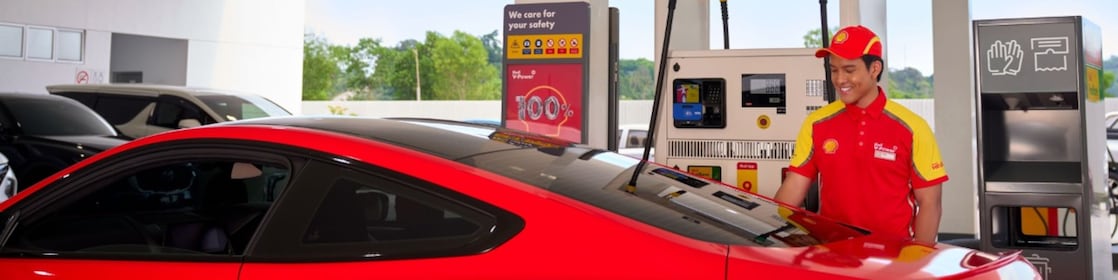
Shell Mobility & Convenience is the shopfront and the face of Shell. At our more than 40,000 Shell-branded locations worldwide, we interact with millions of customers every day. Our mission is to make life’s journeys better – by providing an evolving range of quality fuels, a welcoming and comfortable break or a retail experience that offers customers convenience, quality and choice.
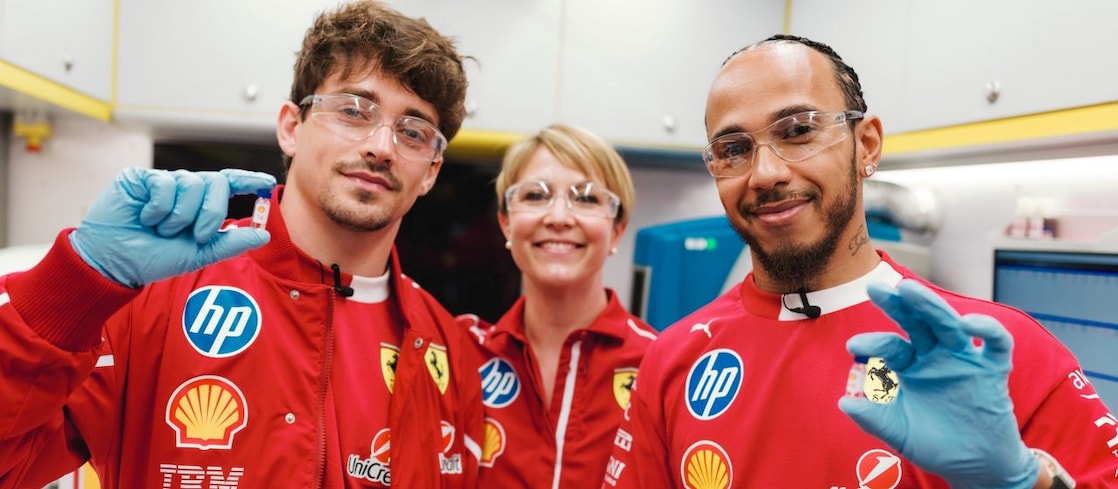
The game-changing new fuels in Formula 1
Something big is brewing behind the scenes in Formula 1.


About Shell Mobility & Convenience
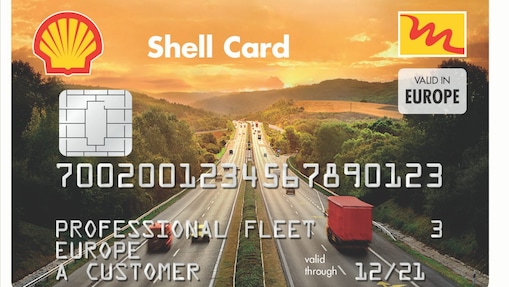
Every day, around 29 million customers visit Shell mobility & convenience locations to buy fuel, convenience items including beverages and fresh food, and services such as lubricant changes and car washes. We offer our business customers Shell Fleet Solutions, through which they can obtain items including fuel cards and road services.
We have more than 100 years experience in fuel development. Aided by our partnership with Scuderia Ferrari HP, we have concentrated on developing fuels with special formulations designed to clean engines and improve performance.
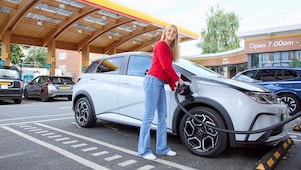
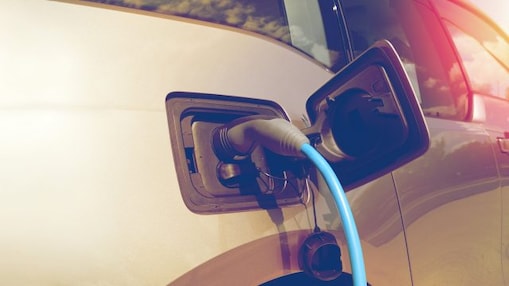
In a growing number of markets, we are offering customers lower-emission products and services, including biofuels, electric vehicle charging, and various gaseous fuels such as LNG.
David Bunch, Global Executive Vice President of Shell Mobility & Convenience
For the latest news and updates on Shell’s Mobility & Convenience business around the world, follow David Bunch, Global Executive Vice President of Mobility & Convenience on LinkedIn.