The game-changing new fuels in Formula 1
Something big is brewing behind the scenes in Formula 1. Starting from the 2026 season, race cars competing in the pinnacle series of motorsport will be powered by fuels with no crude oil content1. In their place, only molecules made from advanced sustainable feedstocks – like biofuels derived from waste or e-fuels – will be permitted.
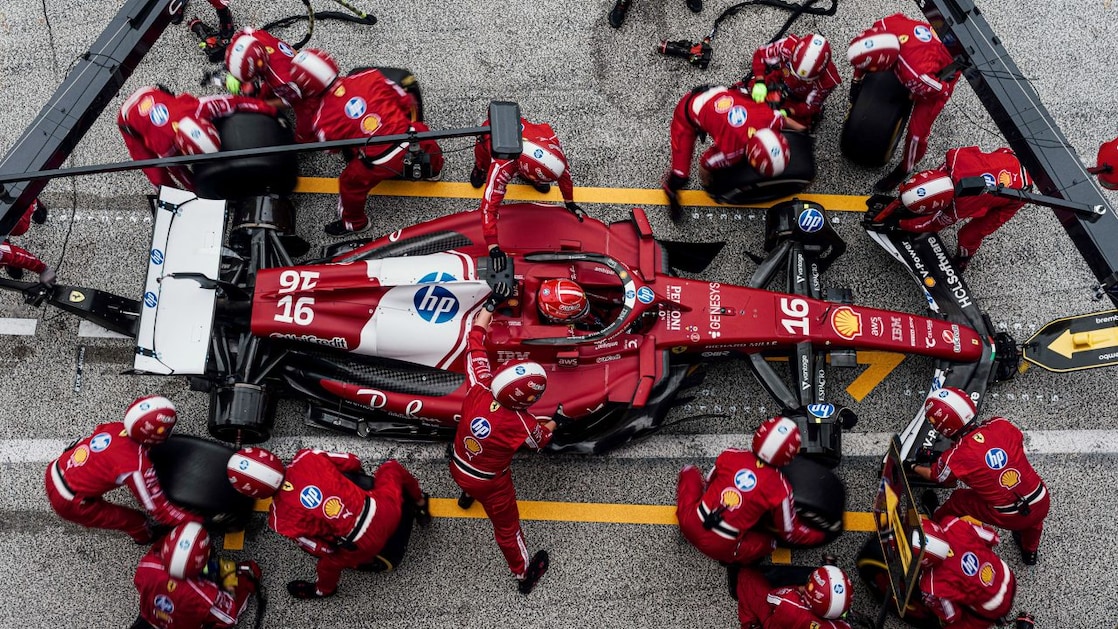
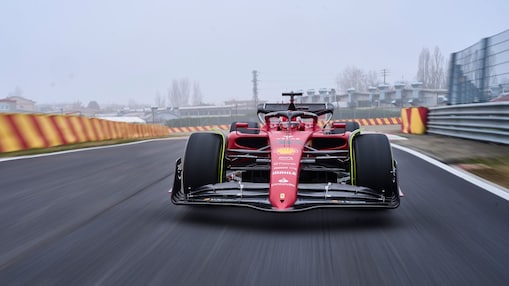
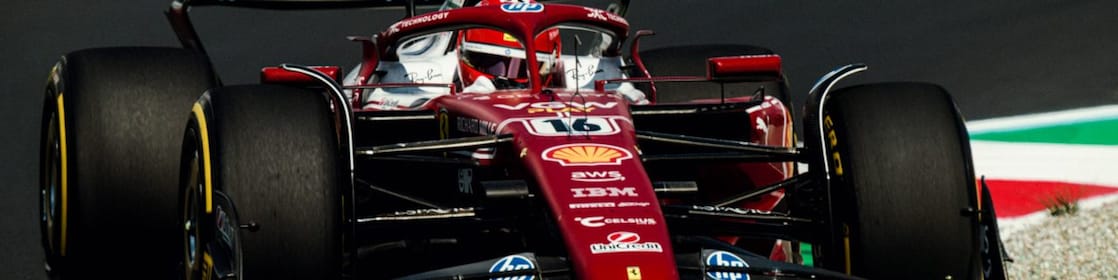
In Formula 1, new regulations will ban race fuels containing fossil-derived components in future seasons. For the 2026 racing season, when the new regulations take effect, Shell is focused on the delivery of an advanced sustainable Shell V-Power race fuel exclusively for Scuderia Ferrari HP and its customer teams.
Four years in development
Development of the advanced sustainable Shell V-Power race fuel for 2026 began as soon as the current race fuel formulation hit the track in March 2022, marking the start of a development freeze on racing fluids and power units for four seasons.
“We held our first brainstorm session immediately—to define opportunities, the strategy, and the timeline for the new, advanced sustainable fuel,” recalls Dr Valeria Loreti, Shell’s Technology Manager for Motorsports Operations and Marketing.
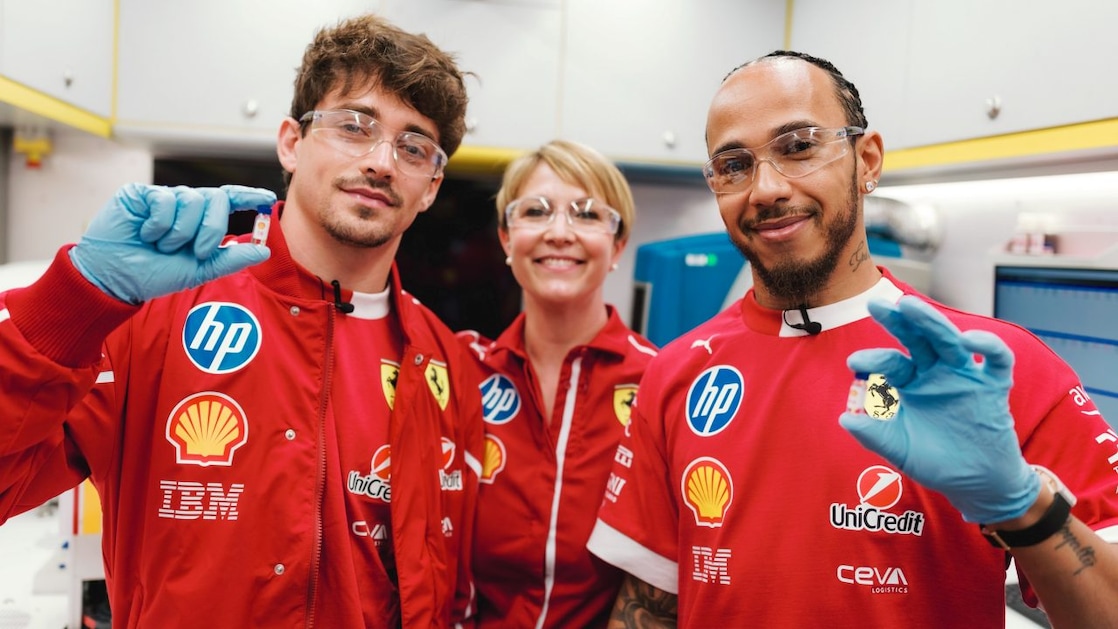
Developing the new fuel turned out to be far more complex than previous projects, Dr Loreti says. Behind every drop of fuel lies a massive scale of intense teamwork. “We didn’t just need chemists, but also experts in certification, CO₂ calculations, regulations, and supply chain. In 2025 alone, more than hundred specialists dedicated over 30,000 hours to this project.”
Who is Valeria Loreti?
- Born: In Padova, Italy (close to Venice)
- Education: Degree in Chemistry (University of Pisa) and PhD (University of Mainz)
- Work location: Germany, at the Shell Technology Centre in Hamburg
- Role: Technology Manager Motorsports Operations & Marketing
- Career: With Shell since 2005, started as a Fuels Scientist
- Gets energy from: Making complex topics easy to understand
- Favourite circuit: Monza
- Besides work: Married, mother of two teenagers, passionate about reading, cooking and karate
The bigger picture
In addition to new feedstocks, the race fuels in Formula 1 will also need to achieve carbon emissions savings compared to fossil-derived petrol.[2]
“Of course, in the bigger picture this is a relatively small contribution, because fuel isn’t the largest source of CO₂ emissions during an event,” explains Dr Loreti, “but it’s a game-changer in how people think and talk about sustainability. Advanced sustainable race fuel could become a concept people recognise and see as the future of mobility.”
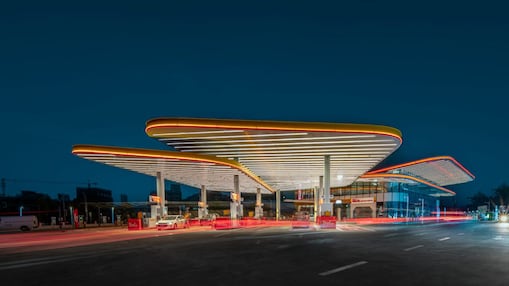
A scientist with over twenty years of experience in fuel technology at Shell, Dr Loreti emphasises that Shell’s involvement in the motorsport world is invaluable for innovation. Much of the innovation that goes into Shell’s fuels offered to customers at Shell stations started with technologies used in Formula 1 racing.
“It offers us a unique platform to develop new ideas and test products at high speeds.”
75 years of collaboration
The iconic partnership between Shell and Scuderia Ferrari HP celebrated its 75th anniversary in Formula 1 in 2025. Dr Loreti attributes much of the partnership’s success to a shared culture of pushing limits. “The bar is always set high, and once it’s reached, it’s raised again,” she says.
“Do we challenge Ferrari? Absolutely. Just as they challenge us. We grow together because we approach these projects as one team.”
[1] With the exception of up to 1% of fossil additives and denaturants in the blend
[2] the certification of Advanced Sustainable fuel is based on the blend being 65% less in CO2e than the fossil comparator as defined in REDII (94 g CO2eq/MJ)