Sulphur Recovery
Leverage sulphur recovery technologies to ensure your gas products are on-spec. Combining owner/operator expertise with in-depth knowledge of upstream and downstream processes, we deliver high-quality, fit-for-purpose designs, comprehensive training, and effective troubleshooting.
Upstream & Downstream Sulphur Recovery Process Technologies
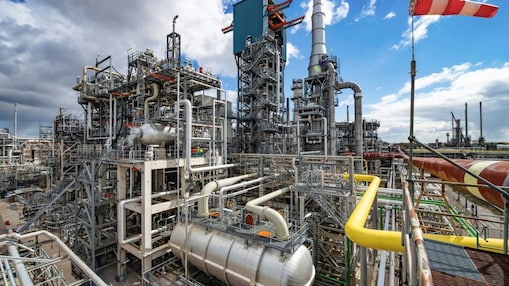
Many gas reserves are richer in hydrogen sulphide (H2S) and, therefore, sulphur. At the same time, tighter standards mean gas plants need to achieve deeper levels of sulphur removal in order to meet their environmental mandate. Sulphur recovery efficiencies of over 99.9% are being specified on some projects.
In order to achieve this, Shell Catalysts & Technologies offers a portfolio of sulphur recovery technologies catering for the full range of sulphur removal capacities that can be integrated parts of complex gas cleaning line-ups to provide safe, reliable and easy-to-operate complex systems, and that are economically attractive and environmentally responsible.
Customers are looking for solutions that will meet the required emission standards and minimise capital and operating costs. Simplified process line-ups can help to reduce complexity and keep costs down. Additionally, Shell Catalysts & Technologies’ sulphur recovery technology offers high flexibility and maximises reliability.
Experienced Petroleum Consultants backed by State-of-the-Art Sulphur Recovery Technology
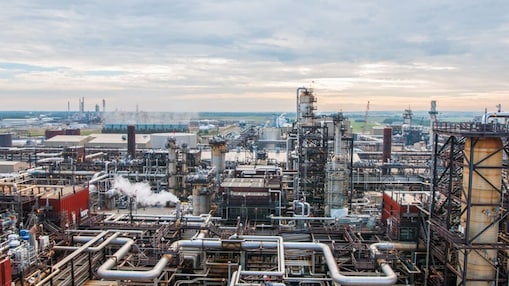
Shell Catalysts & Technologies’ reliable and robust operations with Claus, SCOT, sulphur degassing and THIOPAQ O&G sulphur recovery technologies secure gas production and ensure refiners adhere to stringent sulphur dioxide (SO2) standards. With IMO2020 around the corner, it’s crucial that refineries optimise their yield’s sulphur composition. As with all Shell Catalysts & Technologies offerings, as petroleum consultants, we take a holistic view of your current technology and operations before making any recommendations.
We offer a wide range of cutting edge technology which is cost-effective, compliant, and built for the future. Let us implement solutions which meet environmental standards, sustainability concerns, and move the needle for refiners.
Sulphur Recovery Unit Frequently Asked Questions
Many gas reserves and crude oils contain high levels of sulphur compounds, and it is important to ensure that these do not leave the refinery or gas plant as harmful emissions. A range of sulphur recovery unit technologies is available that can address the increasing demand for deep sulphur removal and meeting environmental standards.
What is the sulphur recovery process?
What is the sulphur recovery process?
The sulphur recovery process converts sulphur-containing compounds such as hydrogen sulphide (H2S) into elemental sulphur. For ultra-high sulphur recovery levels, it is typically followed by a tail-gas treating unit, which further enhances overall sulphur recovery by converting sulphur dioxide, carbonyl sulphide and carbon disulphide to H2S. That H2S is recycled to the sulphur recovery unit, which yields elemental sulphur.
What is a sulphur recovery unit in an oil refinery?
What is a sulphur recovery unit in an oil refinery?
A sulphur recovery unit is used to remove the sulphur contained in crude oils to help refiners manufacture low-sulphur products and meet their emissions mandate. It converts sulphur compounds such as hydrogen sulphide (H2S) into elemental sulphur. For ultra-high sulphur recovery levels, it is typically followed by a tail-gas treating unit.
Why is a sulphur recovery unit required in a refinery?
Why is a sulphur recovery unit required in a refinery?
A sulphur recovery unit is required in a refinery because the crude oils that it processes contain sulphur compounds. These must be removed to meet product specifications and cannot leave the refinery as harmful emissions. The sulphur recovery unit converts sulphur compounds into elemental sulphur. For ultra-high sulphur recovery levels, it is typically followed by a tail-gas treating unit.ysis-driven reaction of the remaining H2S with the SO2 to produce elemental sulphur.
What is the temperature of a sulphur recovery unit?
What is the temperature of a sulphur recovery unit?
The temperature of a typical sulphur recovery unit can vary, but the reaction furnace commonly operates at 900–1,200°C, and the catalytic reactors operate at 250–400°C. These elevated temperatures are maintained to facilitate the Claus reaction, which ensures efficient sulphur conversion and removal from the feed gas or liquid hydrocarbons.
What is the catalytic reactor in sulphur recovery units?
What is the catalytic reactor in sulphur recovery units?
The catalytic reactor in a sulphur recovery unit facilitates the Claus reaction, converting sulphur dioxide and hydrogen sulphide into elemental sulphur. It contains catalyst material, such as alumina or titania, that enhances the reaction kinetics. Through the hydrolysis reaction, and the Claus reaction, the catalytic reactor maximises sulphur conversion efficiency, promoting effective sulphur recovery in the sulphur recovery unit.
Sulphur Recovery Solutions

Claus Off-Gas Treating (SCOT) Process
Refineries have lowered operating costs and extended cycle lengths by installing our technologies and catalysts in Claus tail-gas treating units.

Sulphur Degassing
Our sulphur degassing process substantially cuts the hydrogen sulphide and hydrogen polysulphide in Claus liquid sulphur in conventional sulphur pits.
Contact Shell Catalysts & Technologies
Contact Shell Catalysts & Technologies to meet the challenges petrochemical plants face with confidence.