Low-carbon fuels
Our Low Carbon Fuels (LCF) business produces and supplies biofuels for use in road transport, aviation, shipping and other industrial applications.
Our commitment
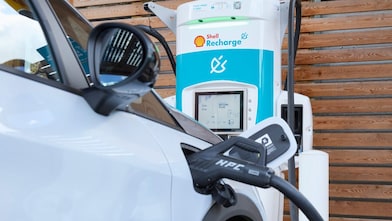
Our low-carbon fuels operations go hand in hand with our work around electric vehicle charging, hydrogen and liquefied natural gas (LNG) as fuels. Together they form part of Shell's broader portfolio of transport energy products and services.
Working with today's infrastructure
Low-carbon fuels can be blended with existing fuels such as gasoline and aviation fuel, and don't require costly investment in new infrastructure. That means they can be used within much of today's transport infrastructure without significant changes to vehicles or fuel distribution systems.
Reducing emissions from transport
Our focus is on premium biofuels such as sustainable aviation fuel (SAF), renewable diesel and renewable natural gas (RNG). We are investing in new technologies and feedstocks to improve the efficiency of biofuel value chains.
Low-carbon fuels such as sustainable aviation fuel (SAF), renewable diesel and renewable natural gas (RNG) can be used in a range of existing transport applications and infrastructure. They do not require investment in new infrastructure, and provide the same high energy density as traditional fuels.
Supplying our customers
Raizen JV
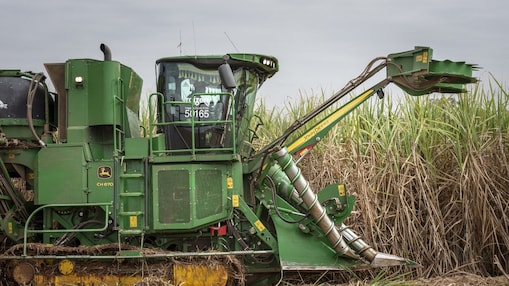
Through our Raízen joint venture in Brazil (Shell interest 44%), we are one of the world’s biggest bioethanol producers, delivering some of the lowest carbon intensity biofuels available today. The majority of the ethanol produced by Raízen is sold unblended to international customers in markets such as Europe, Japan and the USA. In 2024, Raizen produced around 3.16 billion litres of ethanol from sugar cane.

Trading
We use the strength of our trading business to expand sales beyond our production volumes. In 2024, we traded over 10 billion litres of low-carbon fuels, and sold 10 times more than we produced. In the same year, Shell also became one of the world’s largest traders and suppliers of sustainable aviation fuel.

From waste to fuel
Renewable natural gas (RNG), also known as biogas or biomethane, is derived from processing organic material such as manure or household waste until it is fully interchangeable with conventional natural gas. It can be used in natural gas-fuelled vehicles, either as renewable compressed natural gas (R-CNG) or liquefied renewable natural gas (bio-LNG). Following our acquisition of Nature Energy in 2023, Shell is one of Europe's largest producers with 14 biogas plants. We also have three facilities in the US producing RNG from dairy manure.
Investing in production technologies

Alcohol-to-Jet
Through our investment in LanzaJet, a sustainable fuels technology company and producer, we are advancing the Alcohol to Jet (AtJ) technology platform, which can use any source of low-carbon ethanol to produce SAF and renewable diesel. In 2024, LanzaJet opened the world’s first AtJ production facility in Georgia, USA. The facility sources sustainable and waste-based ethanol for the production of SAF and renewable diesel.

E-fuels or synthetic fuels
For the longer term, we are looking to advance a range of technology pathways such as power to liquids and biomass to liquids to produce e-fuels at scale, including e-SAF. E-fuels are synthetic fuels produced using advanced processes that combine feedstocks such as biomass residues, carbon dioxide and renewable power.
Investing in sustainable feedstocks
EcoOils
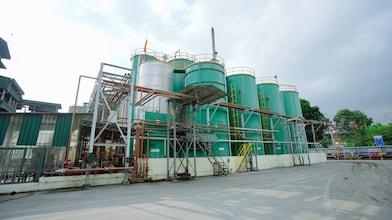
To support our biofuels business, we are investing in new, sustainable feedstocks. In 2022, Shell acquired waste recycling company EcoOils which produces advanced biofuels feedstock at its facilities in Malaysia and Indonesia. EcoOils deploys cutting-edge recycling technology to divert waste away from landfill and produce Spent Bleaching Earth Oil (SBEO) and Refined Palm Oil Mill Effluent (R-POME), both internationally recognised and accredited feedstocks.

Oilseed cover crops
In 2023, Shell established a joint venture called Vision Bioenergy Oilseeds with S&W, a global agricultural company. The JV is advancing the development of plant genetics for intermediate oilseed crops and collaborating with farmers to cultivate oilseeds like Camelina. These intermediate crops are promising feedstocks for biofuel production due to their scalability and compatibility with existing agricultural systems.
Feedstock sustainability

Protecting the environment and communities
Ensuring our operations do not lead to environmental degradation and human rights violations is core to our business principles. This means working with our supply chain to prevent deforestation, protect biodiversity, improve traceability, and guard against land being used to grow energy crops which should be supporting the growing demand for food. We also try not to source renewable components or feedstocks associated with any violation of human rights, including child or labour violations.
We fully support the adoption of international sustainability standards for agricultural practices, and work with the Round Table on Responsible Soy, the Roundtable on Sustainable Palm Oil, Bonsucro, the Roundtable on Sustainable Biomaterials, and the International Sustainability and Carbon Certification for feedstocks. All of our purchased feedstocks that are considered to be high risk from a human rights, biodiversity, or release of carbon stock perspective are certified as sustainable by credible sustainability initiatives. Nearly all of our purchased volumes of biofuels are covered by contracted sustainability clauses. Read our purchasing policy here: purchasing-policy-statement-sustainable-sourcing-of-biocomponents (PDF, 206 kB)

Wastes and residues
The carbon intensity of our products depends on the feedstocks chosen and the process and technologies we use. New technologies are enabling our progression from crops to more sustainable alternative feedstocks, such as agricultural waste, inedible oils or crops (cellulosic biomass) and manure.
Waste-based feedstocks can have different environmental and land-use characteristics from food and energy crops, depending on the feedstock, location and production pathway. However the issues surrounding waste-based feedstocks can be wide-ranging and context specific. We work to understand the sustainability issues associated with each project on a case-by-case basis, and work closely with our farmers and suppliers, to share best practices and raise sustainability standards across the sector.
Animal care and welfare
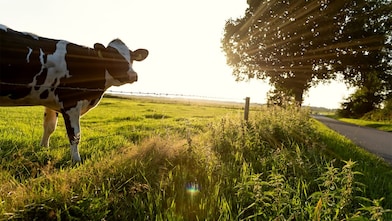
Manure from animals bred or kept for the production of food or feed is a valuable renewable fuel source and is used as an RNG feedstock. Shell is committed to ensuring animal care and welfare principles are implemented and adhered to throughout its supply chain. We work closely with partners, and actively engage animal welfare experts, to understand best practices and incorporate them into our operating standards. We work with our suppliers on a case-by-case basis. However in the US, potential standards include the Farmers Assuring Responsible Management (FARM) programme for animal care and the Gold Standard Dairy programme for the Dairy Farmers of America.

Low Carbon Solutions Insights Hub
Get expert insights from our leaders, learn about emerging technologies, regulations and policies, and see how innovative solutions can help shape the future energy system.