LNG supply projects and regasification plants
Shell is a leading global supplier of liquefied natural gas (LNG), with a diverse portfolio of plants and terminals worldwide. This broad base strengthens our business resilience and helps ensure reliable supply and enhancing energy security.
LNG liquefaction process
LNG is produced by cooling natural gas to -162°C (-260°F), turning it into a liquid. The process begins with purification, where raw natural gas is treated to remove water, carbon dioxide, sulphur compounds and other impurities, leaving mostly methane (CH₄).
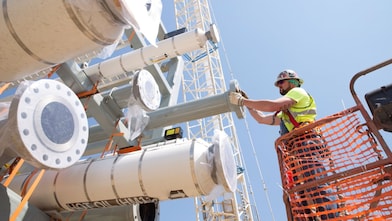
Next, the purified gas is cooled down in stages using a series of heat exchangers until it condenses into a liquid. This liquid is about 600 times smaller in volume than its gaseous state, making it more efficient to store and transport.
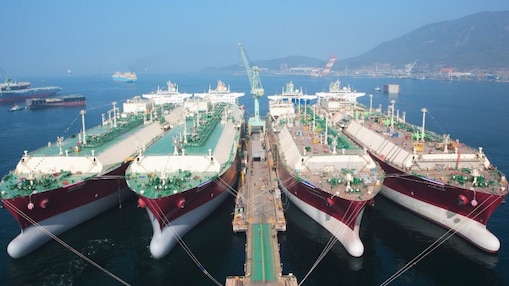
The LNG is then stored in insulated tanks to keep it cold and shipped in LNG carriers to various destinations around the world.
Liquefaction terminals
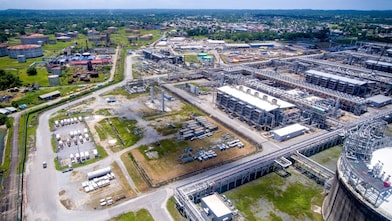
Atlantic LNG
- Location: Trinidad and Tobago
- Status: Operational
- Total capacity: 14.5 mtpa
- Shell interest: 47.15% (T1/2/3), 51.1% (T4)
- Details: A significant supplier of LNG to the Americas, driving economic growth in Trinidad and Tobago.
Peru LNG
- Location: Peru
- Status: Operational
- Total capacity: 4.5 mtpa
- Shell interest: 20%
- Details: The first natural gas liquefaction plant in South America, serving markets in the Americas and Asia.
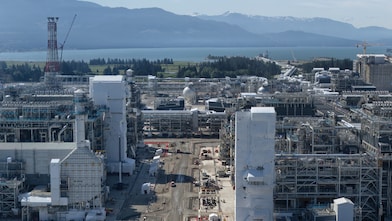
LNG Canada
- Location: Canada
- Status: Operational
- Total capacity: 14 mtpa
- Shell interest: 40%
- Details: Enhances Canada's LNG export capacity, supporting global LNG demand.
LNG regasification process
Regasification is the process of turning LNG back into gas so it can be used as fuel for power generation, heating and other applications.
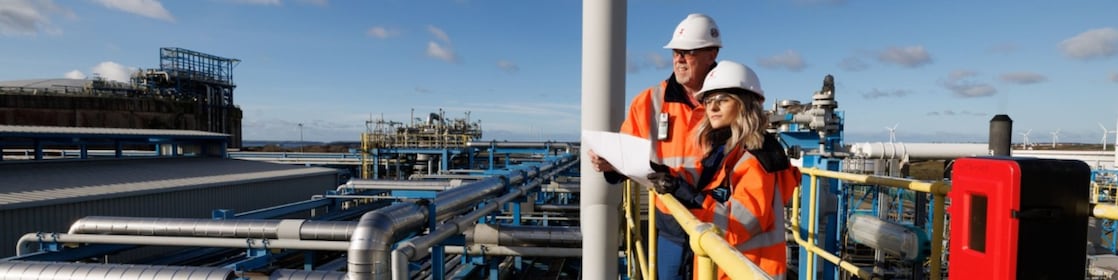
This process starts with unloading the LNG from ships at import terminals and storing it in insulated tanks to keep it cold. When needed, the LNG is pumped from the tanks to vaporisers, which use heat exchangers to warm it up and turn it back into gas.
Once it is back in gas form, it is fed into the local gas distribution network or directly to end-users, such as power plants, industrial facilities, and residential consumers.
Regasification terminals
Mexico
- Shell capacity rights: 2.7 mtpa
- Details: Supplies LNG to Mexico and the western United States.
USA
- Shell capacity rights: 24.7mtpa
- Details: Supports LNG supply to the Gulf Coast region.